Twelve Minutes That Change Everything: Ten Dramatic Monologues Every Theater Enthusiast Must Encounter
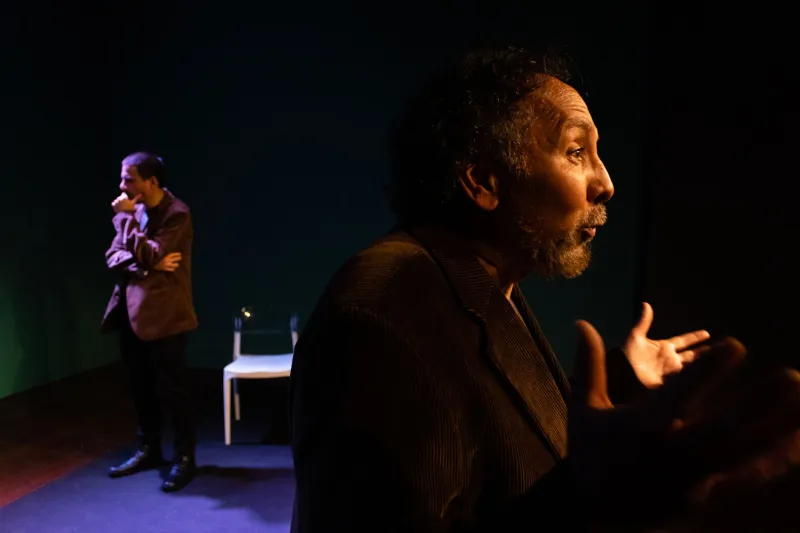
There is a particular kind of silence that descends over a theater when a performer delivers a truly great monologue. The audience stops shifting in their seats. Phones are forgotten. The ordinary world recedes. For a few suspended minutes, a single human voice — channeling the words of a playwright who may have died decades ago — speaks directly to something fundamental in every person present.
Dramatic monologues are among the most demanding and most rewarding forms in all of theater. They require a performer to carry an entire emotional world alone, without the support of dialogue or scene partners, sustained only by language, physicality, and truth. The greatest monologues in the theatrical canon have been performed thousands of times and yet retain the capacity to astonish.
Below, we present ten such pieces — works of enduring power drawn from American and world theater — along with guidance on how to seek them out at community and nonprofit venues near you.
1. Blanche DuBois — A Streetcar Named Desire by Tennessee Williams
"I don't want realism. I want magic!"
Few characters in American drama are as psychologically layered as Blanche DuBois, the faded Southern aristocrat whose grip on reality dissolves across the course of Williams's 1947 masterwork. Her monologues — particularly her late-play confession about her late husband's suicide — are studies in the collision between illusion and brutal truth. What makes these speeches extraordinary is their dual nature: Blanche is simultaneously manipulative and genuinely heartbroken, unreliable and profoundly vulnerable.
Where to find it: Tennessee Williams's work is frequently staged by regional and nonprofit theaters, particularly in the South and Southeast. Check with your local arts center for upcoming productions, and look for university theater departments, which often stage Williams with remarkable seriousness of purpose.
2. Troy Maxson — Fences by August Wilson
"I don't want you to forget there's a place inside you where strength comes from."
August Wilson's Fences, set in 1950s Pittsburgh, contains some of the most muscular dramatic writing in the American canon. Troy Maxson's extended monologues — particularly his account of his literal and figurative wrestling match with Death — blend folklore, poetry, and raw emotional confession into something wholly original. Troy is a flawed, magnificent, infuriating man, and Wilson's language gives him a grandeur that transcends his circumstances.
Where to find it: Wilson's Pittsburgh Cycle has become a cornerstone of nonprofit and community theater programming, particularly at Black-led arts organizations. Many cities now have theater companies dedicated specifically to Wilson's work. His plays are also regularly produced by regional repertory companies across the country.
3. Willy Loman — Death of a Salesman by Arthur Miller
"A man is not a piece of fruit!"
Arthur Miller's 1949 tragedy gave the American stage one of its most enduring and heartbreaking figures: Willy Loman, a traveling salesman whose belief in the American Dream has curdled into delusion. Willy's monologues, delivered in a fractured present tense that blurs memory and reality, demand extraordinary technical and emotional range from any performer. The famous confrontation scene with his employer Howard is a masterclass in humiliation and dignity existing simultaneously.
Where to find it: Death of a Salesman is one of the most widely produced plays in American theater history and appears regularly in community theater seasons nationwide. It is an excellent choice for first-time theatergoers seeking an accessible introduction to serious dramatic writing.
4. The Stage Manager — Our Town by Thornton Wilder
"Do any human beings ever realize life while they live it — every, every minute?"
Thornton Wilder's 1938 Pulitzer Prize-winning play is deceptively simple in construction and devastating in effect. The Stage Manager's direct-address monologues — speaking plainly to the audience about the ordinary beauty and brevity of human life — achieve a philosophical depth that few theatrical devices have matched before or since. The play's final act, in which the deceased Emily Webb revisits a single day of her life, is one of the most quietly shattering sequences in all of American drama.
Where to find it: Our Town is a perennial favorite of community theaters and high school drama programs across the country. Its modest staging requirements make it accessible to venues of all sizes and budgets.
5. Hamlet — Hamlet by William Shakespeare
"To be, or not to be — that is the question."
No list of great dramatic monologues could omit Shakespeare's most famous soliloquy. What is often lost in the familiarity of its opening line is the sustained philosophical rigor of what follows: a genuine meditation on the nature of suffering, courage, and the unknown territory of death. Every generation of actors brings a fresh interpretation to this speech, and hearing it delivered live — with full weight and intention — remains one of theater's most reliable revelations.
Where to find it: Shakespeare festivals and outdoor summer theater programs throughout the United States regularly produce Hamlet. Many nonprofit theater centers include Shakespeare in their seasonal programming as part of their educational mission.
6. Serafina — The Rose Tattoo by Tennessee Williams
Williams returns to this list because his gift for female characters navigating grief, desire, and self-deception was unparalleled. Serafina Delle Rose's monologues in this 1951 play crackle with Mediterranean passion and stubborn dignity. Her confrontation with the truth about her late husband is a showcase for operatic emotional range delivered through precise, musical language.
Where to find it: Less frequently produced than Streetcar or The Glass Menagerie, The Rose Tattoo is a rewarding discovery at adventurous regional and nonprofit theaters. Watch for productions at Italian-American cultural centers and university stages.
7. Prior Walter — Angels in America by Tony Kushner
Tony Kushner's epic two-part play, set during the AIDS crisis of the 1980s, contains some of the most ambitious dramatic writing of the late twentieth century. Prior Walter's visionary monologues — in which he receives prophetic visitations from an angel — blend camp, terror, and genuine theological inquiry. His final speech, delivered directly to the audience in the play's epilogue, is among the most hopeful and hard-won conclusions in modern American drama.
Where to find it: Angels in America is regularly produced by nonprofit and LGBTQ+-focused theater companies. Its demanding length and production requirements make community stagings special events worth seeking out.
8. Ma Rainey — Ma Rainey's Black Bottom by August Wilson
August Wilson's second appearance on this list is entirely warranted. Ma Rainey's extended monologue about the relationship between Black artists, their art, and the white commercial machinery that exploits them is as relevant today as it was when Wilson wrote it in 1982. Her voice is imperious, wounded, and absolutely certain of its own authority.
Where to find it: Productions of this play have increased significantly in recent years, particularly following renewed public interest in Wilson's work. Nonprofit theaters with strong connections to African American communities are the ideal venues for this piece.
9. Laura Wingfield — The Glass Menagerie by Tennessee Williams
Williams's most autobiographical play gives us Laura, a young woman of extraordinary fragility and interior richness, whose monologues about her glass animal collection carry an almost unbearable symbolic weight. Laura does not speak often, but when she does, every word lands with precision. Her scenes with the Gentleman Caller represent some of the most delicate and devastating writing in the American dramatic tradition.
Where to find it: The Glass Menagerie is among the most produced plays in American theater. Community and nonprofit venues stage it regularly, and it serves as an ideal introduction to Williams for audiences new to his work.
10. George Tesman — Hedda Gabler by Henrik Ibsen
While Hedda herself commands the dramatic center of Ibsen's 1891 masterpiece, the supporting characters' moments of self-revelation are equally illuminating. Ibsen's work, translated and reimagined by contemporary American playwrights, continues to resonate powerfully with modern audiences. Productions of Hedda Gabler at nonprofit theaters frequently feature bold, updated interpretations that make the play's exploration of power, freedom, and despair feel urgently contemporary.
Where to find it: Ibsen's plays are staples of university theater programs and serious nonprofit companies. Look for productions that feature new translations or contemporary adaptations for the most dynamic experience.
Seeking Out These Works in Your Community
The most direct path to experiencing these monologues in performance is through your local nonprofit theater center, university drama department, or regional repertory company. Many organizations publish their seasonal programming well in advance, allowing audiences to plan accordingly. Subscribing to a theater's newsletter or season package is often the most economical way to ensure you never miss a production.
At Epic Theatre Center, we are committed to bringing precisely this kind of transformative dramatic work to our community. The stage is not a distant luxury — it is here, accessible, and waiting. These ten monologues are an invitation: come hear what a human voice, given the right words, can do.