The Empathy Stage: How Live Theater Is Quietly Mending a Fractured Nation
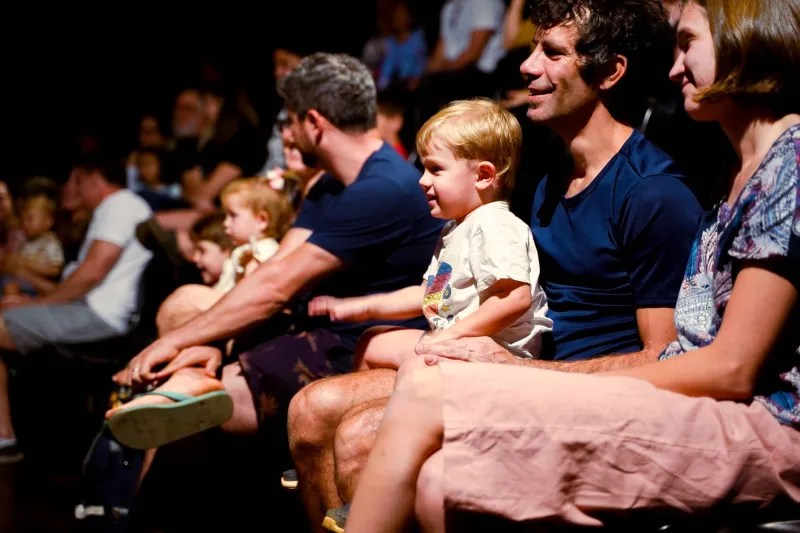
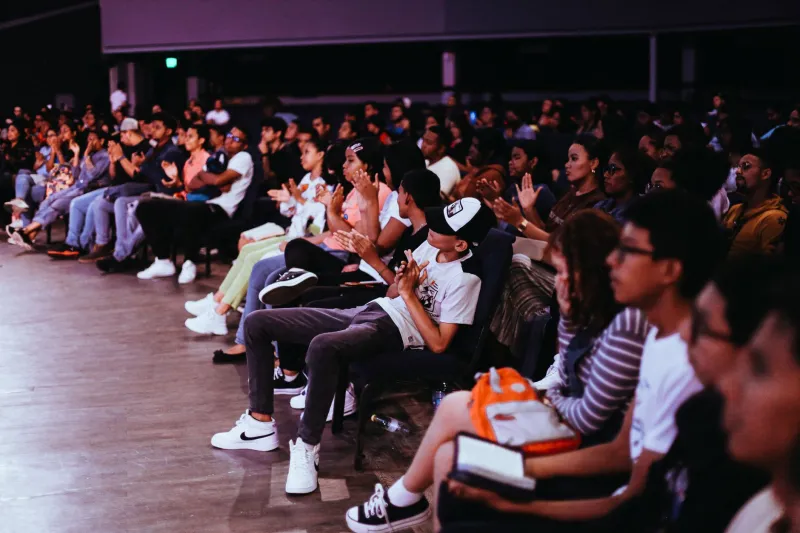
On a Tuesday evening in a mid-sized city in Ohio, a retired steelworker sits three rows behind a college professor. They have never met. They voted differently, worship differently, and would likely struggle to find common ground over coffee. Yet for two hours, they laugh at the same moments, hold their breath during the same silences, and leave the theater carrying the same emotional weight. Neither may fully understand why.
This is the quiet, profound work of live theater — and in a country increasingly sorted into ideological corners, its importance is difficult to overstate.
A Room Where Difference Dissolves
America's cultural polarization is well-documented. Researchers, journalists, and policymakers have spent years cataloguing the mechanisms by which citizens retreat into information ecosystems that confirm rather than challenge their existing beliefs. The result is a public sphere in which genuine encounters with opposing perspectives have become increasingly rare.
Theater operates by a fundamentally different logic.
"When you sit in a darkened house and watch a human being embody another human being's truth, something neurological happens that is very difficult to manufacture elsewhere," says one veteran stage director whose community productions have toured rural and urban venues alike. "You are not reading about a character. You are not watching a curated video. You are witnessing a living body, breathing in real time, making real choices. Your nervous system responds to that in ways your analytical mind cannot fully filter."
This is not merely poetic language. Cognitive scientists studying narrative immersion have long recognized that embodied storytelling — performance witnessed live, in shared physical space — activates empathic responses with unusual depth and durability. Audiences do not simply observe characters; they unconsciously simulate their emotional states. The result is an experience of understanding that lingers well beyond the final curtain.
Inhabiting the Other
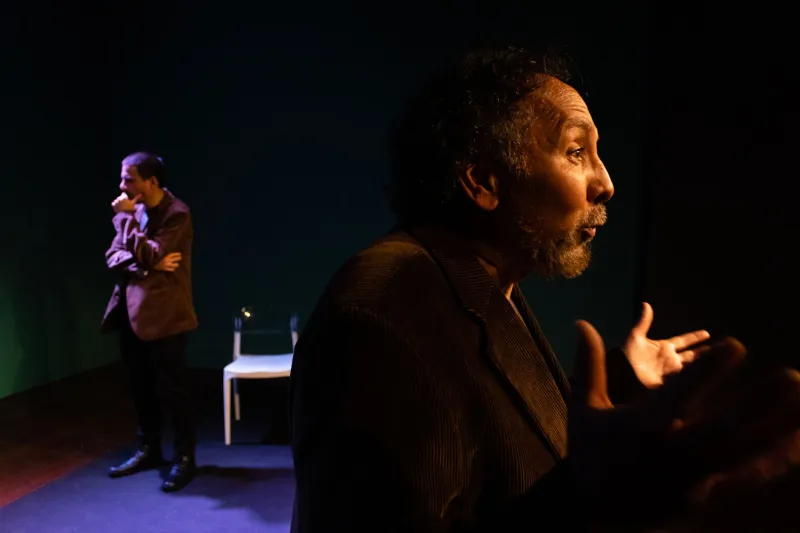
For actors, the process of building empathy is not incidental to their craft — it is the craft itself.
To perform a role authentically requires something more demanding than intellectual acknowledgment of another person's circumstances. It demands genuine inhabitation: researching the character's history, understanding the logic of their choices, and locating within oneself the emotional architecture that makes those choices feel inevitable. This is an exercise in radical perspective-taking that few other disciplines require so rigorously.
"I've played characters I fundamentally disagree with," notes one actor who has performed across multiple community theater productions in the South. "And in the process of understanding them well enough to portray them honestly, I've found myself genuinely moved by their humanity. That doesn't mean I've abandoned my own values. It means I've expanded my capacity to see."
This expansion is precisely what audiences absorb when they watch skilled performance. The actor's empathic labor becomes the audience's empathic experience. A story about a grieving immigrant mother, a disillusioned factory worker, a teenager navigating a broken family system — each becomes a portal through which spectators enter lives they might otherwise never encounter.
The Shared Room Matters
Much has been written about the democratizing potential of digital media, the idea that streaming platforms and online archives might bring great stories to broader audiences than physical theaters ever could. And there is truth in that observation. But something essential is lost when performance is stripped of its communal dimension.
Live theater is, by definition, a collective act. Actors and audiences share the same air. Laughter moves through a room. Grief does too. A gasp in row seven reaches the ears of everyone in the house. These micro-moments of synchronized emotional response create something that psychologists describe as "collective effervescence" — a sense of shared humanity that transcends individual identity.
"I've watched audiences leave productions in genuine conversation with strangers," observes a theater educator who runs programs in both urban Chicago and rural downstate Illinois communities. "People who would never otherwise speak to each other are suddenly talking about the play, about the characters, about their own lives. The performance created a permission structure for connection that ordinary social life doesn't provide."
This phenomenon is not accidental. It is, in many respects, the original social function of theater — a function it has served since ancient Greek audiences gathered in open-air amphitheaters to process collective grief, civic anxiety, and moral complexity through shared dramatic experience.
Community Theater's Particular Power
If professional theater carries this potential, community theater amplifies it in distinctive ways. When the performers on stage are neighbors, coworkers, and fellow congregation members — people the audience knows by name — the boundary between representation and reality becomes productively porous.
Audiences watching a community production are not simply observing a story about someone else's experience. They are watching their neighbor embody that experience. They are watching a familiar face transformed. And in that transformation, they are invited to reconsider what they thought they knew about the person in front of them — and, by extension, about the communities and perspectives that person is representing.
This is theater as civic practice. It is the dramatic arts functioning not merely as entertainment but as infrastructure for community life — as a mechanism for building the social trust and mutual understanding that democratic participation requires.
The Stakes of This Moment
None of this is to suggest that theater is a political project in the narrow sense, or that a well-staged production will dissolve deeply held disagreements. The work is quieter and longer than that. It operates at the level of imagination and feeling rather than argument and persuasion.
But imagination and feeling are precisely what is in short supply in contemporary American public life. The capacity to genuinely conceive of another person's inner world — to believe that their pain is real, their joy is real, their humanity is real — is the foundation upon which every other form of civic cooperation depends.
Theater builds that capacity. It has always built that capacity. And in a moment when the forces of division are loud and well-funded, the quiet, disciplined, deeply human work of the stage deserves recognition as the essential civic resource it is.
The lights go down. The curtain rises. Somewhere in the audience, a retired steelworker and a college professor are about to share something true.
That is not a small thing. That is, in fact, everything.